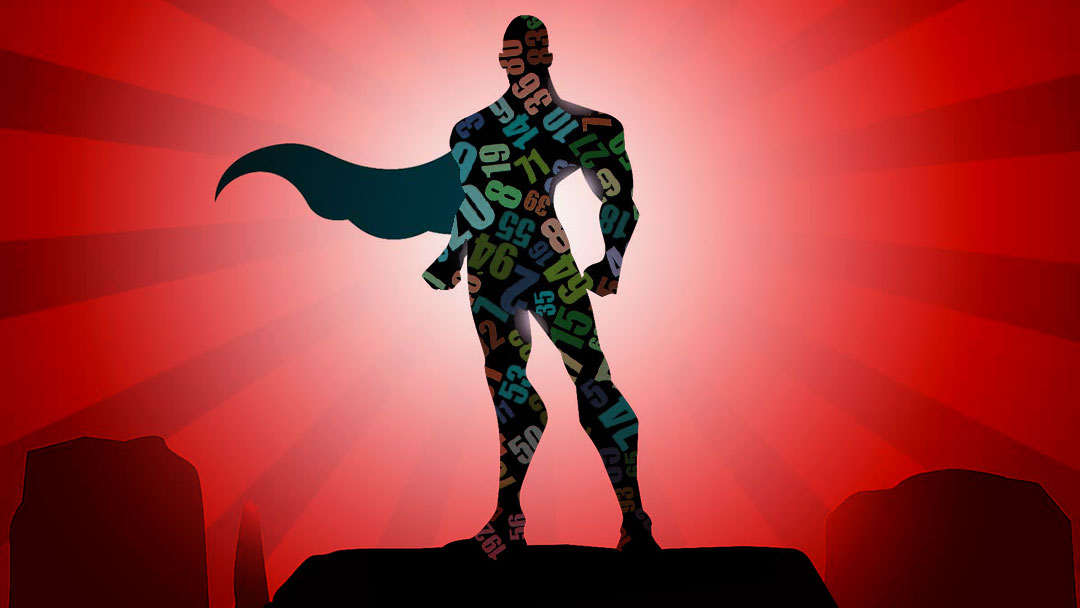
If we’ve learned nothing else from Marvel Comics, we know that every superhero needs an origin story, and the 401(k) retirement account has a great one. After more than 50 years, an afterthought in the federal tax code is now one of the most-popular retirement savings vehicles in the United States.
The 401(k) was a little-noticed addition to tax regulations following its enactment in 1978. Two years later, a benefits consultant suggested to one of his clients that he put some of his employees’ pay into a tax-deferred account under this new section — section 401(k) — of the tax code. The client demurred, but the consultant began offering a 401(k) plan to his own company. In 1981, the IRS issued new regulations allowing companies to use payroll deductions to make contributions to employee 401(k) accounts, and a retirement powerhouse was born. In 2020, 401(k) plans hold an estimated $5.6 trillion in assets. That’s almost 20% of all retirement savings.
Fact or Fantasy?
The popularity of the 401(k) is well deserved. It allows workers to have their employers deposit a portion of their earnings, into a tax-deferred investment account. The money can go into a number of investment vehicles — and can grow without being subjected to capital gains or other taxes. Once the employee reaches age 59½, they can begin taking money out of the account. Withdrawals are then subject to tax at their ordinary tax rate. A study by the Schwab Center for Financial Research concluded that minimizing taxes and other costs are a strong influence on investment returns, trailing not too far behind investment selection and allocation of assets. And the 401(k) offers excellent ways to minimize taxes.
Five 401(k) Superpowers:
1. Contributing to a 401(k) can lower your tax bill for the year in which the contribution is made. The contribution comes “off the top,” reducing gross adjusted income and potentially moving you into a lower tax bracket.
2. Because those growing earnings are not taxed until later, more money remains in your account to invest.
3. The returns on investments in 401(k) accounts are taxed at the time of withdrawal, not when they occur. This means the account’s investment balance grows faster since you retain all earnings.
4. Once you retire, your tax rate may be lower than during your career. In that circumstance, you pay less tax on each dollar withdrawn from the account.
5. Many employers offer matching contributions up to a certain percentage of your own. While it’s not a tax advantage, that “free money” isn’t an offer you’ll find anywhere else in the world of investing.
And the Sidekick
Every superhero needs a sidekick, and the 401(k) is so popular that it now has one. Many employers offer Roth 401(k) plans. As with a Roth IRA, you’ll pay tax on the money contributed to the plan. The money grows tax free and — here’s it’s superpower — when you withdraw it, you won’t pay tax on the contributions or the investment gains.
Tax planning is an essential part of any sound retirement strategy. The rules governing traditional 401(k)s, Roth 401(k) plans and the like are extremely detailed, and professional guidance can be a great help. Make an appointment with your financial advisor to talk about your best options — and become your own retirement planning superhero.
Sources
https://www.northwesternmutual.com/life-and-money/your-401k-when-it-was-...
https://money.com/traditional-401k-roth-401k-retirement/
https://www.schwab.com/resource-center/insights/content/importance-tax-e... b
https://www.irs.gov/newsroom/401k-contribution-limit-increases-to-19500-...
https://www.sec.gov/oiea/investor-alerts-and-bulletins/covid-19-related-...
https://tax.thomsonreuters.com/blog/covid-19-legislation-includes-retire...
https://www.irs.gov/retirement-plans/retirement-plans-faqs-regarding-req...
https://www.investopedia.com/how-to-lower-your-401-k-fees-4691479